

Nutritionists Emma White (ANutr), MSc Human Nutrition and Beth Furness (ANutr), BSc Nutrition and Health, are passionate about diet and how this impacts overall health. They support evidence-based advice around nutrition and aim to help everyone better understand how different nutrients affect the body and long-term health status.
Menopause brings a lot of changes in the body, along with a whole range of symptoms – and for some women, weight gain is one of them. Even if your eating and exercise habits haven’t changed, you may notice extra weight around your middle or that it’s harder to lose weight than before. So, what exactly is going on?
Menopause is a natural stage in life when a woman’s periods stop due to lower hormone levels, usually occurring between the ages of 45 and 55. It can cause symptoms such as hot flushes, mood changes, and difficulty sleeping, which may last for several years. These hormonal shifts also influence metabolism, fat distribution, and muscle mass, all of which can affect weight.
So, is weight gain an inevitable part of life after menopause? Not necessarily. Understanding what’s happening can help you make small, effective adjustments to maintain a healthy weight and feel your best.

Why does weight gain happen during menopause?
There’s no single cause of menopausal weight gain – instead, it’s a combination of factors working together.
-
1. Hormonal changes change where fat is stored in the body
Oestrogen levels drop during menopause, and this can lead to an increase in fat storage, particularly around the abdomen [1]. This type of fat is called visceral fat, which surrounds your internal organs – and comes with an increased risk of heart and circulatory conditions [2]. -
2. Muscle loss makes weight gain more likely
Ageing in general leads to a gradual loss of muscle mass (a process called sarcopenia), but this speeds up during menopause [3]. Because muscle tissue is more metabolically active than fat, losing muscle means your body burns fewer calories – even if your activity levels stay the same. This makes it easier to gain weight, even if your diet hasn’t changed. -
3. Increased insulin resistance
Some women become more insulin resistant during menopause, meaning their body doesn’t process carbohydrates as efficiently as before. This can lead to more fat being stored, particularly around the midsection [4]. Because of this, it’s especially important to keep up with health checks during and after menopause, such as blood pressure monitoring and diabetes screening. -
4. Sleep disruption and increased cravings
Many women experience sleep disturbances during menopause, whether from night sweats, stress, or other symptoms such as headaches and muscle aches. Poor sleep is linked to increased levels of ghrelin (the hunger hormone) and reduced levels of leptin (the fullness hormone), making it easier to overeat – especially when it comes to high-carb and high-sugar foods [5]. -
5. Lifestyle shifts impact activity levels
Busy schedules, work stress, and general life changes during midlife can also mean less time for physical activity. However, with a naturally slowing metabolism, reduced muscle mass, and changing hormones, staying active becomes even more important for managing weight.
How to manage your weight during menopause
While menopause brings challenges, small adjustments to your diet, exercise, and lifestyle can make a big difference.

1Strength training to maintain muscle and metabolism
Building and maintaining muscle is one of the most effective ways to keep your metabolism firing. Strength training (such as using weights, resistance bands, or bodyweight exercises) helps combat muscle loss and keeps you stronger for longer. Aim for at least two strength sessions per week alongside regular movement.
2Prioritise protein for fullness and muscle support
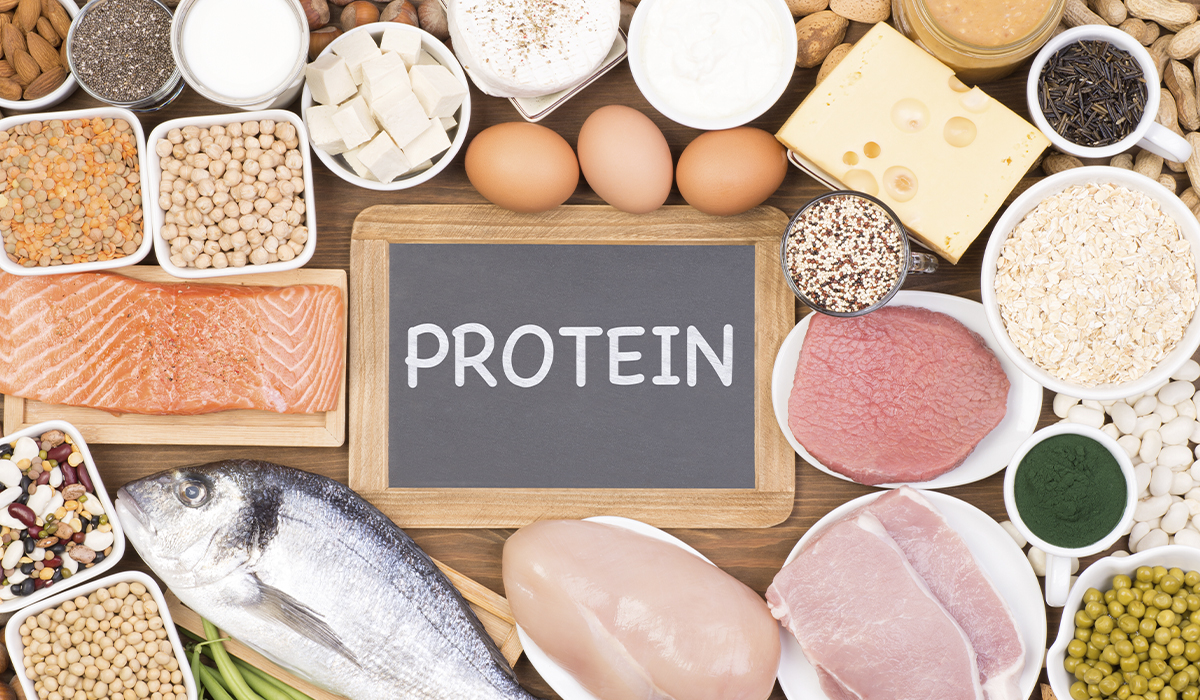
Protein is essential for preserving muscle mass and keeping you fuller for longer. Higher protein intake can help with appetite control and maintaining lean mass. Make sure each meal includes a good protein source, such as:
- Lean meats like chicken or turkey
- Fish and seafood
- Eggs
- Greek yoghurt
- Plant-based sources like tofu, lentils, and chickpeas
Using a calorie-tracking app like Nutracheck can help you ensure you’re getting enough protein while keeping an eye on your overall calorie intake.
3Focus on fibre to support digestion and fullness
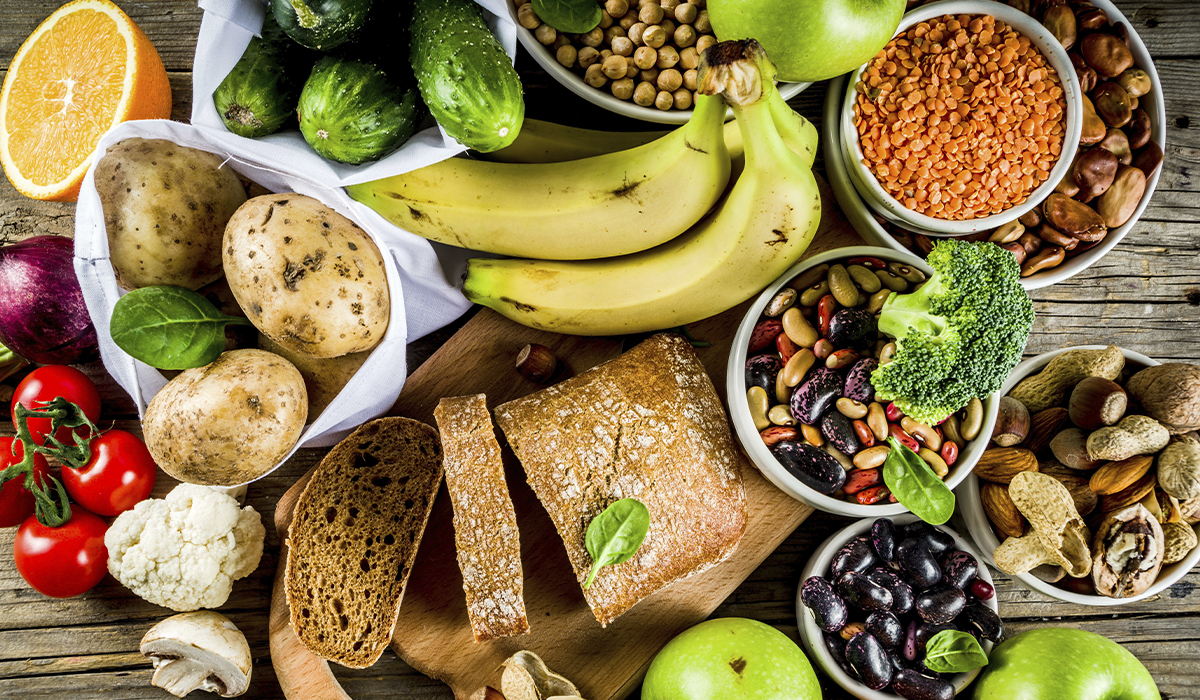
Fibre not only keeps your digestion running smoothly but also helps with satiety, reducing the likelihood of snacking between meals. Increasing fibre intake has also been linked to better weight management. Try adding more:
- Whole grains (brown rice, quinoa, wholewheat pasta)
- Fruits and vegetables
- Nuts and seeds
- Beans and lentils

4Adjust portion sizes and calorie intake
With a slowing metabolism, you may need fewer calories than before – but that doesn’t need to mean cutting anything out completely. Tracking your food intake can be a great way to stay aware of portion sizes and balance your meals while still enjoying the foods you love.

5Move more throughout the day
Beyond structured workouts, increasing Non-Exercise Activity Thermogenesis (NEAT) – like walking, standing more, or taking the stairs – can help counteract a slower metabolism. Even small changes, like walking while on phone calls or adding short movement breaks to your day, can help boost daily calorie burn.

6Support your sleep for better appetite control
Since sleep disruption can increase hunger hormones, prioritising sleep can make a difference in managing cravings and energy levels. Try creating a consistent bedtime routine to help you wind down, reducing caffeine and alcohol intake in the evening, and making sure your bedroom is a cool, dark, and comfortable haven to help you drift off and get a good night’s rest.
Your menopause matters
Menopause may bring changes to your body, but weight gain isn’t inevitable. By staying active, prioritising protein and fibre, managing portion sizes, and focusing on sleep, you can support your metabolism and overall health.
Tracking your food and movement with Nutracheck can help you stay aware of your intake and make small adjustments that keep you on track with your goals. Remember, you don’t have to commit to sudden or drastic changes – just simple, sustainable habits that make a real difference over time.